
Every clinical pharmaceutical intervention comes with a profile of secondary effects, and Tadalafil—the active ingredient in Talgentis—is no exception. While millions of men use this medication safely every day to manage erectile dysfunction and enlarged prostate symptoms, understanding the most common side effects is a vital part of responsible healthcare. This guide aims to provide an exhaustive look at what you can expect, why these effects occur, and how to manage them effectively to ensure a positive experience.
The Statistical Reality: How Often Do Side Effects Occur?
Clinical trials for Tadalafil show that the vast majority of users experience either no side effects or very mild ones that do not require discontinuation of the drug. However, approximately 10% to 15% of users may experience one or more common symptoms. The "commonality" of these effects is often dose-dependent; users on a 20mg on-demand dose may experience more pronounced symptoms than those on a steady 5mg daily regimen.
1. The Most Common Culprit: The Tadalafil Headache
Statistically, the headache is the most frequently reported side effect. In clinical settings, up to 11% of patients reported some level of cranial discomfort. But why does a pill meant for pelvic blood flow cause a headache?
The answer lies in the systemic nature of the medication. Tadalafil is a vasodilator—it relaxes muscle tissues to allow blood vessels to widen. While this is the desired effect in the penile or prostatic tissue, the medication travels through the entire bloodstream. When the blood vessels in the brain and scalp dilate, they can put pressure on surrounding nerves, leading to a dull, throbbing headache. These typically appear within the first 1-2 hours of ingestion and usually fade as the drug concentration in the blood begins to level out.
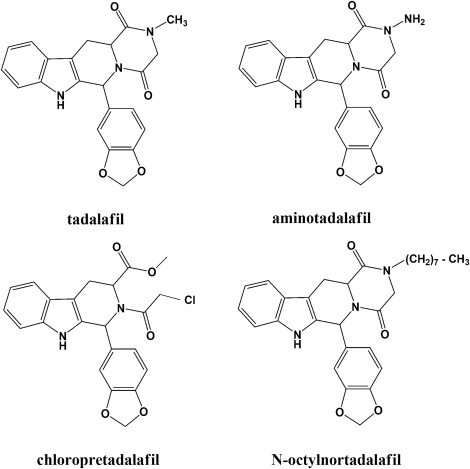
The molecular design of Tadalafil ensures broad systemic impact, which is why side effects can occur in multiple areas of the body.
2. Indigestion and Heartburn (Dyspepsia)
The second most common effect is dyspepsia, or indigestion. This affects roughly 7% of users. PDE5 inhibitors don't just relax muscles in blood vessels; they also relax the smooth muscle of the lower esophageal sphincter (the "valve" that keeps stomach acid down). When this muscle is too relaxed, stomach acid can creep back up, causing a burning sensation in the chest or throat. This is more likely to happen if you take the medication immediately after a large, acidic, or fatty meal.
3. Back Pain and Myalgia (Muscle Aches)
A unique side effect of Tadalafil, which distinguishes it from Sildenafil (Viagra), is the potential for back pain and muscle aches. Interestingly, these often don't appear immediately. Many men report them 12 to 24 hours after taking the dose. These aches are typically described as being in the lower back, buttocks, or thighs. While the exact cause isn't fully understood, it is believed to be related to the way Tadalafil interacts with other PDE enzymes in the muscle tissue. These symptoms are almost always temporary and resolve within 48 hours.
4. Flushing and Nasal Congestion
Because of the increased blood flow to the skin and mucous membranes, facial flushing—a feeling of warmth and redness in the face or neck—and a "stuffy nose" are common. This is a direct sign that the medication is working. It essentially creates a mild inflammation-like state in the nasal passages because the blood vessels there are dilated and holding more volume.
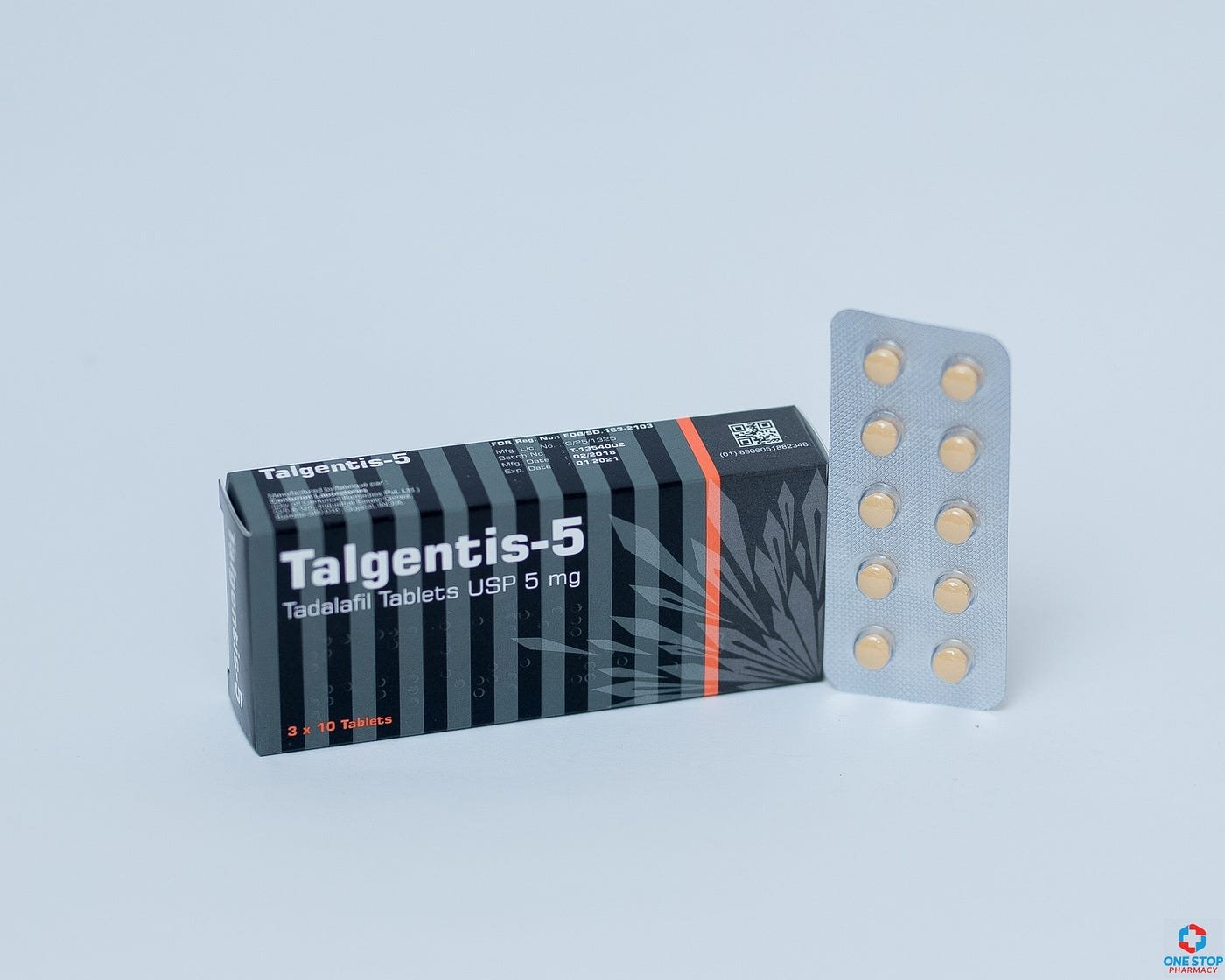
The daily 5mg dose often results in fewer side effects because it avoids the "spikes" in blood concentration seen with higher doses.
How to Manage Common Side Effects
- Stay Hydrated: Dehydration is the #1 reason a mild Tadalafil headache becomes a severe one. Drink at least 500ml of water when taking the pill.
- Timing with Food: If you experience indigestion, try taking Tadalafil with a light snack like a piece of toast or a banana to buffer the stomach.
- Posture: For those suffering from acid reflux (dyspepsia), avoid lying flat immediately after taking the pill.
- Dosage Adjustment: If 20mg causes too many side effects, discuss switching to a 10mg or a 5mg daily dose with your doctor. Low-dose daily therapy is often much easier on the system.
Serious Side Effects: The Rare "Emergency" Signs
While the common effects are nothing more than a nuisance, there are several extremely rare but serious side effects that require immediate medical intervention in a hospital setting:
Seek Emergency Care Immediately If:
- Priapism: An erection that lasts longer than 4 hours. This can cause permanent damage to the penile tissue if not treated by a doctor.
- Vision Changes (NAION): A sudden decrease or loss of vision in one or both eyes.
- Hearing Loss: Sudden decrease or loss of hearing, often accompanied by ringing in the ears (tinnitus) or dizziness.
- Chest Pain: If you feel pressure or pain in your chest, especially during sexual activity, stop immediately and call for help.
Interactions: Why Your Medical History Matters
The most dangerous "side effect" of Tadalafil actually comes from its interaction with other drugs. Most notably, **Nitrates** (prescribed for chest pain/angina). Because both Nitrates and Tadalafil drop blood pressure, taking them together can lead to a catastrophic, life-threatening drop in pressure. Always be 100% honest with your healthcare provider about all medications you are currently taking.
Conclusion: A Balanced Perspective
The key to using Talgentis successfully is a balanced perspective. For most men, the benefits of regained confidence and physiological reliability far outweigh the minor inconvenience of a "stuff nose" or a mild headache. By understanding what is common and having a management plan in place (like staying hydrated and monitoring your dosage), most users can enjoy the full range of Tadalafil's benefits with minimal disruption. If you are in Kenya and have concerns about how Talgentis might affect you, always consult with a licensed pharmacist or a medical doctor before starting your treatment.